
District 33 Candidate Comparison
The Anderson County Democratic Party is committed to helping voters make informed decisions in contested primary races. This page brings together information from the Democratic candidates for Tennessee House District 33 so voters can compare their backgrounds, priorities, and approach to public service.
Below, you can learn more about each candidate, watch their campaign videos, and read their responses by topic in their own words.
Note: Candidate responses are published as submitted, with light editing only for spelling, grammar, or formatting where needed.
Watch the Candidates
The Anderson County Democratic Party hosted a House District 33 Democratic Primary Candidate Forum to give voters the opportunity to hear directly from both candidates.
During the forum, candidates answered the same questions about their backgrounds, priorities, policy positions, leadership styles, and how they would approach representing District 33 in Nashville.
Watch the full conversation below, or explore individual topics to compare the candidates’ answers in their own words.
Watch by Topic
Short on time? Watch candidates respond directly to questions on the issues that matter most to District 33 voters.
Opening Statements
Hear how each candidate introduces herself and frames the race.
Public Schools & Education
Compare how the candidates talk about public education, school funding, testing, teachers, and student safety.
Affordability: Housing, Utilities & Cost of Living
Hear how each candidate approaches the financial pressure facing working families.
Data Centers, Growth & Infrastructure
Compare their views on responsible growth, infrastructure, utilities, and local planning.
Working in a Republican Supermajority
Compare their strategies for getting results, drawing lines, and representing Democrats in a legislature controlled by Republicans.
Electability & November
Hear why each candidate believes she is the strongest choice to take on Rick Scarbrough.
Local Control & Government Overreach
Compare their answers on state interference in local decisions and what communities should be able to decide for themselves.
Reproductive Healthcare
Hear each candidate discuss reproductive freedom, medical privacy, and Tennessee’s abortion ban.
Federal Workers, Y-12 & Oak Ridge’s Economy
Hear how each candidate talks about protecting workers, federal investment, and the role Oak Ridge plays in the district.
How Democrats Compete & Win
Hear how each candidate thinks Democrats can build trust, reach voters, and win in District 33.
Closing Statements
Hear each candidate’s final pitch to Democratic primary voters.
About the Candidates
How each candidate describes her background, work, community involvement, and the experiences that shaped her values.
Tell voters a little about yourself. What should people in the district know about who you are?
-
Anne Backus spent 33 years at the Y-12 National Security Complex as a project and program manager, where she developed a reputation for solving complex problems, managing budgets responsibly, and bringing people together to get results. In retirement, she continues serving the community as an active volunteer across Anderson County.
As a mom and grandmother, Anne believes the government should refocus its priorities on serving people and strengthening our communities. She knows families want strong schools, affordable healthcare, and economic security. Anne is running for the Tennessee House to bring practical experience, compassion, and accountability to state government. As your State Representative, she will listen to your concerns, work across the aisle to solve problems, and help bring the people back to the People’s House.
-
I'm a working mom living in Oak Ridge and working at Y-12. I have a B.S. in Chemical Engineering and an M.S. in Industrial and Systems Engineering, and it's fair to accuse me of being a little nerdy. I grew up on a small farm in the rural outskirts of Dandridge, where our family roots go deep. I may come across polished, but I spent my youth waking up early to feed calves, helping my parents tend our garden and clear the fields, and running barefoot up-and-down the hill with my bow-and-arrow, wild as they come. These days I fill my time with Irish Dance practices with my daughter, hiking, sewing, and crafting. We share our home with my partner and their two incredible children, plus four awesome cats.
How long have you lived in the district, and what keeps you here?
-
Anne has lived in the district for more than 45 years. Her strong ties to the community through her church and volunteer work keep her deeply connected to the people and issues that matter here. Her children attended Oak Ridge Schools, and she is committed to ensuring that public schools across Anderson County remain strong for future generations.
-
My daughter and I moved to Oak Ridge in late 2020. We instantly fell in love with the house we now live in, and we've found such a wonderful community here. She thrived during her four years at Linden Elementary, and although she now attends Webb, the connection we've formed with our community runs deep. We love the parks and nature spots, the charming small businesses, especially coffee shops and bakeries, and the immediate access to both water and mountains that District 33 has to offer.
What do you do (or did do) for work, and how does that experience shape the way you think about government?
-
Anne spent 33 years at Y-12 as a project and program manager, where she worked with diverse teams to achieve complex goals on time and within budget. Her work required listening to different perspectives, evaluating solutions, and finding practical compromises. That experience translates directly to public service and working across party lines. Her time on the Tennessee Democratic Party Executive Committee has also given her insight into how government works in a political environment.
-
I work as a Technical Advisor at Y-12, where I specialize in data analytics and high-risk analysis. In a high-stakes environment, integrity, accountability, and informed decision-making are everything. I'm trained to examine complex systems in high-consequence areas, find the vulnerabilities, and fix them, always with an emphasis on the human element. Government is a complex system too, and for Tennesseans, it's absolutely high-consequence. We need leaders who think in systems and stay focused on people.
What community organizations, volunteer work, or local activities have you been involved in?
-
Anne has long been active in the community. She supported her daughters as a Girl Scout leader, band mom, classroom volunteer, and Sunday school teacher. Today, she serves as a Court Appointed Special Advocate (CASA) in Anderson County Juvenile Court, is the founder and an officer of the Oak Ridge chapter of PFLAG, and is a member of the Anderson County NAACP. She also tutors students in math and works with youth through her church.
-
For several years, I've supported the local United Way through fundraising, donations, and volunteer activities. I also served a three-year term on the Oak Ridge Recreation and Parks Advisory Board, helping guide public input and inform budget and policy. I support my daughter with school fundraising projects and volunteer for school events whenever possible. At home, I spent three years fostering at-risk kittens and cats rescued from the community.
What personal experiences most influenced your decision to run for office?
-
Anne’s work with CASA and other community organizations in Oak Ridge and Anderson County has shown her firsthand where systems sometimes fail children and families. Seeing the struggles of families without health insurance or without a living wage strengthened her resolve to run for office and work toward structural changes that will improve the lives of Tennesseans.
-
I've always felt drawn to public service, but recently the push became much more urgent. The agenda of wealthy donors has drowned out the needs of everyday Americans, and our politics have become so divisive that neighbors are pitted against each other while real problems go unsolved. It's impossible to just watch it happen. Being angry isn't enough. As a mom, I have to take action to preserve a safe future for my daughter where she can thrive.
Who are the people in your life who shaped your values about public service?
-
Anne grew up as the daughter of a teacher and a chemical engineer who both believed strongly in serving their community. Her parents were active volunteers who used their time, resources, and voices to advocate for others. Their example instilled in her a deep sense of responsibility to help build stronger and more supportive communities.
-
My mom, a lifelong nurse, cared for others with compassion and selflessness, especially when they were at their most vulnerable. She valued deep connections with her community and was always willing to step up. My dad modeled the creed "live and let live," a principle ingrained in East Tennessee culture since the earliest settlers. He taught me to value neighborliness and respect for others' choices, as long as no one's liberty comes at someone else's expense.
Why They’re Running
Why each candidate says she entered this race, what motivates her campaign, and how she defines effective leadership.
Why are you running for the Tennessee House of Representatives?
-
Anne is running to fight for common-sense policies that will improve the lives of Tennesseans. She is committed to defending and strengthening public education, ensuring affordable healthcare for all, and advocating for a living wage in Anderson County.
After seeing District 33 go without a Democratic candidate in 2020, Anne felt compelled to get involved. She joined the 2022 Democratic campaign for that seat, where she gained firsthand experience and a deeper understanding of the community’s needs. Following that experience and her training with Emerge Tennessee, Anne knew she was ready to take the next step and run for office herself. She ran in 2024 and discovered how much she values connecting directly with voters and hearing their concerns. That experience reinforced the need for stronger representation in Nashville and motivated her to continue the fight in 2026.
-
I'm running because I see so much beauty and potential in Tennessee and in District 33, but our government isn't enabling everyday citizens to thrive. Time and again, our leaders spin us up over manufactured outrage while quietly passing legislation that helps their big-money donors and neglects working families. With our natural resources, our farmlands, and the industriousness and work ethic of our people, we should be the envy of the nation. Instead, it feels like our legislators are racing us to the bottom, and the stats show it. Nearly two decades of a Republican supermajority is long enough to know for sure: the way we've been doing things isn't working for everyday Tennesseans. I'm running to change that and to fight for a Tennessee that lives up to its potential.
What moment or issue made you decide this was the right time to run?
-
Seeing efforts by the Republican supermajority to limit the public’s voice in committee hearings and House sessions confirmed Anne’s decision to run again. Protecting and strengthening public education is her top priority. Tennessee should invest in public schools that serve all students rather than divert taxpayer dollars to private school vouchers.
-
Examples of dire, urgent issues aren't hard to come by lately, and each one has contributed to my decision to run. But watching the chaos that unfolded in Minnesota with ICE, witnessing state-sanctioned violence against fellow citizens and noncitizens alike, solidified my resolve. We are entering a dangerous era, far removed from the American values I was raised on. I'm running because I refuse to watch it happen in silence, and I want to help bring us back to who we're supposed to be.
What does effective leadership look like to you?
-
Effective leadership means listening carefully to constituents and translating their concerns into thoughtful legislation. It requires working with people from both parties to find common-sense solutions that improve people’s lives. Leaders must be willing to collaborate, compromise when appropriate, and stay focused on delivering results for their communities.
-
Effective leadership requires setting aside your own ego while holding true to your moral compass. It means listening more than you speak, using real data to guide your policymaking, and knowing how to meet people where they are. An effective leader also knows their own shortcomings, and when to lean on the skills and knowledge of the people around them. Leadership isn't about having all the answers; it's about finding them together.
District Priorities
What each candidate sees as the biggest issues facing District 33 and what success would look like in office.
What are the three biggest issues facing people in this district right now?
-
Public Schools: Anne strongly supports public education. She believes taxpayer dollars should strengthen public schools, not fund private school voucher programs. The Tennessee Comptroller’s Office has reported that voucher students often underperform compared to their public school peers. Every child deserves access to a high-quality public education, and Tennessee must ensure our public schools have the resources they need to succeed.
Access to Healthcare: Anne believes healthcare should be affordable and accessible for everyone. More than 300,000 Tennesseans currently lack health insurance, and that number may grow as Affordable Care Act subsidies expire and costs increase. She is especially committed to improving maternal and infant healthcare outcomes, as Tennessee ranks among the lowest states for maternal and infant health.
Affordability and Safety: Families across Tennessee are struggling with rising costs. Housing is becoming less affordable, and grocery prices continue to rise. Anne supports eliminating the state sales tax on groceries to provide immediate relief to families. She also supports policies that ensure working Tennesseans earn a living wage. Everyone deserves to feel safe and financially secure in their homes, schools, churches, and communities.
-
District 33 has seen a wave of new residents from higher-income markets in recent years, and housing prices have surged in response. But wages for the people who already live and work here haven't kept pace. Working families in Anderson County are increasingly being priced out of the communities they helped build. This is a problem on both sides of the equation: we need more affordable housing stock, and we need paychecks that reflect the actual cost of living here. State policy has failed on both counts.
Tennessee ranks 44th in the nation for mental health and 42nd in access to care. The Knoxville region is short nearly 90 psychiatric beds, and the governor's budget ignored the funding request to address it. People in crisis are boarding in emergency rooms for days because there's nowhere else to send them. The state knows the data. They've just chosen not to act.
Anderson County commissioners unanimously opposed a 2025 resolution endorsing school vouchers, reaffirming their commitment to public school funding. Yet the state is pushing to expand the voucher program from 20,000 to 40,000 at a cost exceeding $150 million, with no transparency on whether recipients were already in private schools. Tennessee already funds public schools below the national average per student. District 33 spoke clearly on this. Our public schools are the backbone of our communities, and I will fight to protect their funding, not divert it.
What is one problem in the district that state government has ignored for too long?
-
Tennessee’s refusal to expand TennCare continues to harm families and rural hospitals. Expanding TennCare would help hundreds of thousands of Tennesseans gain access to healthcare while stabilizing rural hospitals that are struggling to stay open.
-
East Tennessee accounts for 43% of all drug overdose deaths in the state, yet state investment in treatment capacity hasn't come close to matching the scale of the crisis. Anderson County is now seeing deaths linked to cychlorphine, a synthetic opioid even more dangerous than fentanyl. Our communities have been burying their neighbors for years while the legislature focuses on culture wars. The crisis is here, it's escalating, and the state's response has been grossly inadequate.
If elected, what would success look like by the end of your first term?
-
Success would be movement in the legislature that improves lives of Tennesseans in areas of public education, healthcare, and affordability and safety. People being welcomed and being heard in committees would be another sign of success.
-
Success looks like a District 33 where people feel like their state representative actually works for them. That means having co-sponsored, supported, or introduced legislation on the issues I've campaigned on: eliminating the grocery tax, capping prescription drug and energy costs, raising the minimum wage, and protecting public school funding. In a supermajority environment, even getting these conversations onto the floor is progress. It also means real accessibility and accountability, where constituents see their input shaping my priorities. If voters in District 33 feel heard, represented, and like someone is genuinely fighting for them, that's success.
Governing Philosophy
How each candidate says she would work in a Republican supermajority and what principles would guide compromise and opposition.
Tennessee’s legislature currently has a Republican supermajority. What is your strategy for delivering results in that environment?
-
Even in a supermajority environment, progress is possible. First, Anne would focus on issues that Republican legislators could support. Examples include reopening of closed rural hospitals and preventing others from closing. Also, she believes we could find areas of support for public schools. By working with colleagues across the aisle and focusing on practical solutions, lawmakers can develop legislation that benefits all Tennesseans.
-
The Republican supermajority is a real barrier to my most ambitious policy goals, but there are still meaningful gains to be made. Simply winning this election, flipping a longstanding Republican seat, would itself signal to the General Assembly that Tennesseans want change. I'd use that momentum to engage GOP colleagues in good-faith negotiations and co-sponsor commonsense bipartisan legislation where possible. At the same time, I would continue supporting and sponsoring legislation that serves the people of District 33 and Tennessee, regardless of its popularity with the GOP. Because my focus is on what regular people need and want, many of my planned policies are broadly popular with voters, and building public support can put real pressure on legislators to act.
What role should Democratic lawmakers play when they are in the minority?
-
Democrats must advocate for policies that reflect their values while also working to find common ground where possible. Democrats should make their voices heard when Republicans propose outrageous and harmful laws. Introducing meaningful legislation ensures important issues are debated and that elected officials are held accountable to voters.
-
In a Republican supermajority, Democratic lawmakers play vital roles beyond sponsoring legislation. They provide hope, communicating to voters that progressive leaders are still engaged and still working to make their lives better. They also serve as a buffer against the most harmful and unpopular legislation, providing a base of resistance that, combined with enough GOP dissenters, can kill the worst bills.
When is compromise appropriate in politics, and when is it not?
-
Compromise is appropriate when it moves policy forward and helps improve people’s lives. However, compromise should never come at the expense of fundamental values or policies that undermine the dignity and rights of Tennesseans.
-
Some element of compromise is built into most successful legislation. But every legislator must have red lines, and the integrity to hold them. For me, those red lines are policies that strip rights, target children, weaken worker or environmental protections, compromise public safety, or fund oppression. On those, there is no negotiation. On everything else, I'll work with anyone willing to work in good faith.
Policy Priorities
The policies each candidate says she would focus on first, along with her views on education, healthcare, housing, and economic issues.
What are the top three policies or pieces of legislation you would work on first?
-
Anne would focus on expanding TennCare, removing sales tax from groceries and Supporting Public schools.
-
Address Housing Affordability Issues by Raising Wages
Tennessee has no state minimum wage, defaulting to the federal floor of $7.25/hour, unchanged since 2009. At that rate, a full-time worker earns $15,080 a year. The median home in Anderson County costs $322,000, and East Tennessee wages have risen just 15% since 2020 while housing costs have far outpaced them. Only 15% of East Tennessee homes are affordable to median earners, and a family would need to earn over $136,000 to afford half the listed homes in the region. A minimum wage increase isn't just a labor policy; it's a housing affordability policy. I would introduce legislation to phase Tennessee's minimum wage to $15/hour over three years, then index it annually to a regional cost-of-living metric so it never falls this far behind again.Establish a Tennessee Energy Affordability Program
Tennessee's only energy assistance is the federally funded LIHEAP program, a one-time payment of $174 to $750 per year, and right now federal funding hasn't even been released. I believe Tennessee should cap utility costs at 5-10% of household income for qualifying families. I would introduce legislation creating a Tennessee Energy Affordability Program modeled on this approach, funded through a small surcharge on commercial utility rates. In a state with TVA-subsidized power, no family should have to choose between keeping the lights on and putting food on the table.Ensure State Efforts to Attract High-tech Industry to the Area Benefits Locals by Tying Economic Development Incentives to Labor Standards
Tennessee hands out hundreds of millions in economic incentives every year, but accountability is alarmingly weak. Companies receiving taxpayer-funded grants are only required to hire 80% of promised jobs, and just 51% of mandated job-creation reports were filed on time. We're writing big checks with little follow-through. I would introduce legislation requiring that any state incentive package over $5 million be conditioned on starting wages at or above 120% of the county median, local hiring preferences, verified workplace safety records, and independent annual audits published in a public database. If we're investing taxpayer dollars, those investments should create real, good-paying jobs for the people who live here, not just boost a company's bottom line.
-
Tennessee must fully fund its public schools and ensure resources reach classrooms and students. Anne opposes vouchers and believes taxpayer dollars should prioritize public schools. Schools should serve every child in Tennessee and provide the tools students need to succeed. For voucher programs already in place, Anne supports stronger accountability.
Anne supports expanding TennCare so Tennessee can bring federal tax dollars back into the state and provide healthcare coverage for more residents. Expanding coverage would improve health outcomes while helping stabilize rural hospitals that are struggling to remain open.
Tennessee must encourage the development of housing that working families can afford. Anne supports incentives to build housing for low- and middle-income Tennesseans and points to workforce housing initiatives like the development in the Scarboro community of Oak Ridge as a model.
-
Public education: Lawmakers are pushing to expand the Education Freedom Scholarship program from 20,000 to 40,000 vouchers at a cost exceeding $150 million. Meanwhile, Republicans voted down a transparency bill that would have required reporting on whether voucher recipients were already in private schools. Tennessee already funds public schools below the national average per student. I would oppose voucher expansion and fight to redirect those funds to public education, where they belong. I would also push for mandatory accountability and transparency measures for any existing voucher spending, because taxpayers deserve to know where their money is going and whether it's actually helping kids who need it.
Healthcare access: Tennessee remains one of ten states that has not implemented Medicaid expansion, leaving an estimated 95,000 residents in a coverage gap where they qualify for neither TennCare nor marketplace subsidies. Tennessee is also first in the nation for hospital closures per capita and ranks in the bottom ten for maternal and infant health. We're leaving billions in federal dollars on the table while our neighbors suffer. I would push for legislation to expand Medicaid under the ACA. Expansion would cover over 300,000 uninsured Tennesseans and strengthen our rural healthcare infrastructure.
Housing affordability: The legislature created a framework for voluntary attainable housing incentive programs but the $300 million funding mechanism stalled in Finance. A framework without funding is just a gesture. I would push to revive and fund the program at $25 million per year, tie funding to verified affordability outcomes rather than just unit counts, and prioritize districts with documented workforce housing gaps. Tennessee is short over 120,000 affordable rental units. We built the tool; now we need to put money behind it.
What should Tennessee be doing differently in these areas?
What is one state policy you believe needs to change immediately?
-
Anne would address eliminating the sales tax on groceries. This would help working class people immediately. After that we need a tax structure that requires big business to pay their fair share while supporting small businesses. Increasing the minimum wage and supporting labor unions would allow workers to earn a living wage thereby infusing more money in Tennessee’s economy. Anne would focus on using the experience of business and government facilities in Anderson county to continue to attract new businesses.
-
Tennessee is one of only a handful of states that still taxes groceries, charging a 4% state tax plus local taxes on top. It’s a regressive tax that disproportionately burdens working families. Locally, more than a third of households are cost-burdened, spending a third or more of their income on rent, and our poverty rate sits above the national average. Eliminating the state grocery tax would save the average Tennessee family over $400 a year, and the revenue can be offset by closing corporate tax loopholes that let some of the state's most profitable companies avoid paying their fair share. Working families shouldn't subsidize corporate tax avoidance.
Accountability
How each candidate says she would stay accessible, responsive, and accountable to constituents.
How will you stay connected with and accountable to voters in the district?
-
Anne will set a regular time and place to meet with constituents. She will attend League of Women Voters-sponsored meetings with legislators. She will continue a weekly video message on what is happening in the legislature and the district. She will have a system in place to ensure she's responding to constituent calls and emails.
-
Accountability isn't a buzzword for me. I'll attend or host regular town halls and open office hours so constituents always have direct access to me. As an engineer, my natural tendency is to emphasize transparency through data, and I'll bring that same approach to the legislature. I'll publish my voting record with clear reasoning, because voters deserve to know not just how I voted but why.
What does good constituent service look like to you?
-
Good constituent service starts with responding to calls and emails. It also includes being available in person and in district to constituents on a routine basis.
-
Good constituent service starts with being reachable and responsive. When someone contacts my office, they should get a real answer, not a form letter. But it goes beyond individual casework. I'll track every constituent interaction as a data point, looking for trends and patterns that reveal prevailing sentiments or where systems are failing. That data will directly inform my policy priorities. When people share their struggles with my office, I want them to know their input has real impact.
Quick Answers
A shorter look at each candidate’s personality, priorities, and contact information.
Favorite place in the district:
-
Jackson Square on Saturday mornings during the farmers market.
-
Haw Ridge. I can spend a solid 3 hours hiking and mentally resetting in solitude.
One thing Tennessee government gets right
-
We run free and fair elections.
-
Balancing the budget. The requirement to do so must never change.
One thing Tennessee government urgently needs to fix:
-
Expand TennCare
-
Healthcare quality and access.
What Distinguises Their Candidacy
How each candidate describes what sets her apart in this primary.
Anne Backus
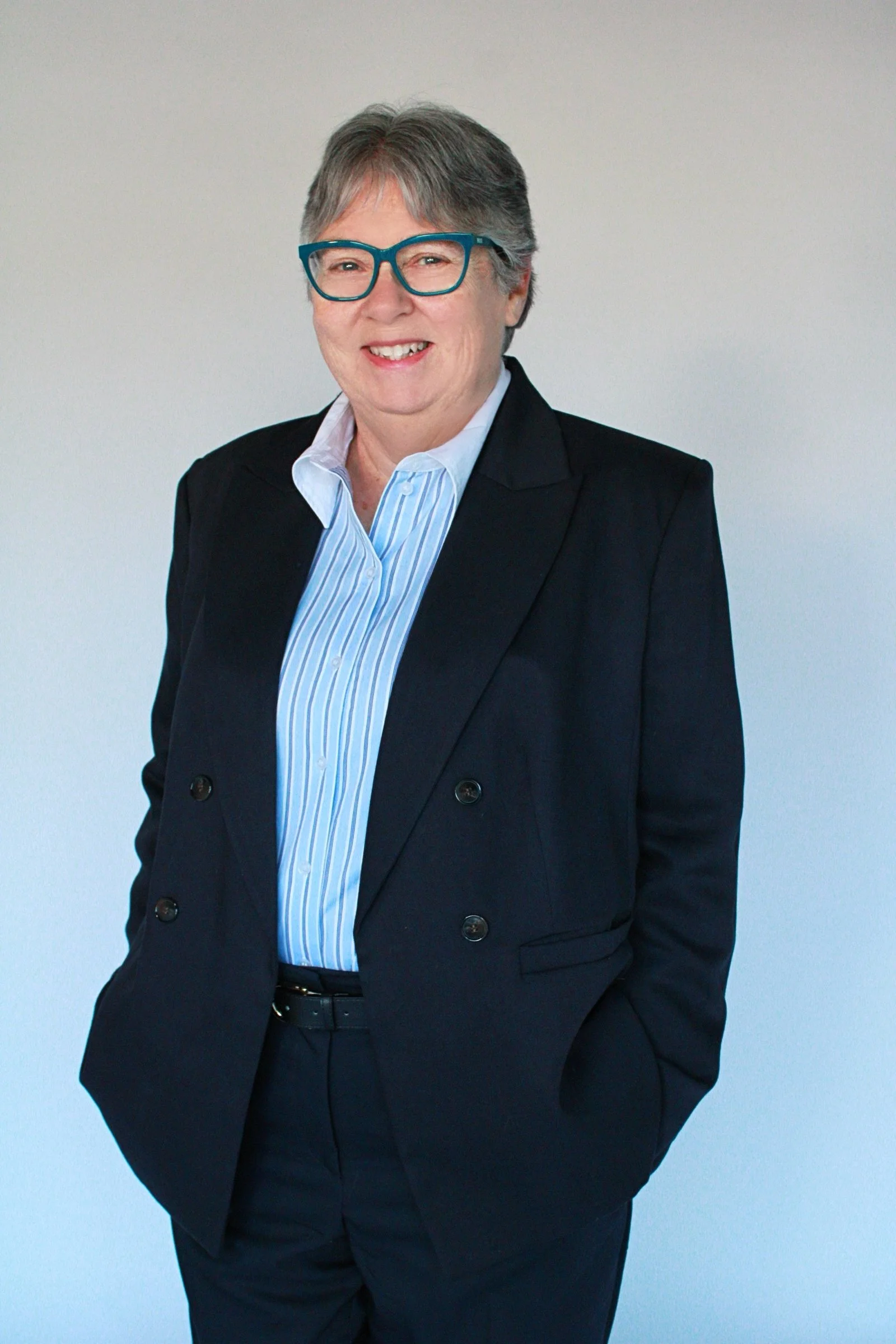
Anne’s experience on the Tennessee Democratic Party Executive Committee has given her insight into how the legislature operates and how to work effectively with people who hold different viewpoints. Her work as a CASA volunteer has also shown her how laws and budgets directly affect families and state agencies. Combining those experiences with her experience as a parent of Oak Ridge school students and her community involvement across Anderson County, Anne understands how legislation impacts individuals and families.
Candidate’s Website
Candidate’s Facebook
Email for voters: backusfortn33@gmail.com
Kelly McCampbell

There is a real urgency for change that comes from working and raising a family in today's economy. Especially when you're part of a generation that never had the security previous generations took for granted. The median age of a first-time homebuyer is now 40. Millennials and Gen Z pay roughly double what previous generations paid for a home relative to their earnings. Our public schools are worse and less safe, and college is now a fast-track to decades of debt bondage. And we pay into Social Security with the message: "bad luck, you'll never see this pay off." I live this and feel this every day. That urgency shapes how I'd legislate: focused on working families and building a future grounded in the reality of today.
Candidate’s Website
Candidate’s Facebook
Email for voters:kelly@kellyfortn33.com
Both candidates will appear on the August Democratic Primary ballot. The winner of the primary will advance to the November General Election.
Voters deserve representation that is not afraid to show up. They deserve candidates willing to make their case to the public, answer real questions, and bring their own experience, judgment, and priorities to the table. That is what accountability looks like, and that is what democracy deserves.