“We’ll Disseminate the Information to You.” | What you missed at the January meeting of the Anderson County Election Commission
Five people (three Republicans and two Democrats) run elections in Anderson County.
That’s the structure. Which means if the commission isn’t functioning like an oversight body, we don’t have a “process issue.” We have a democracy issue.
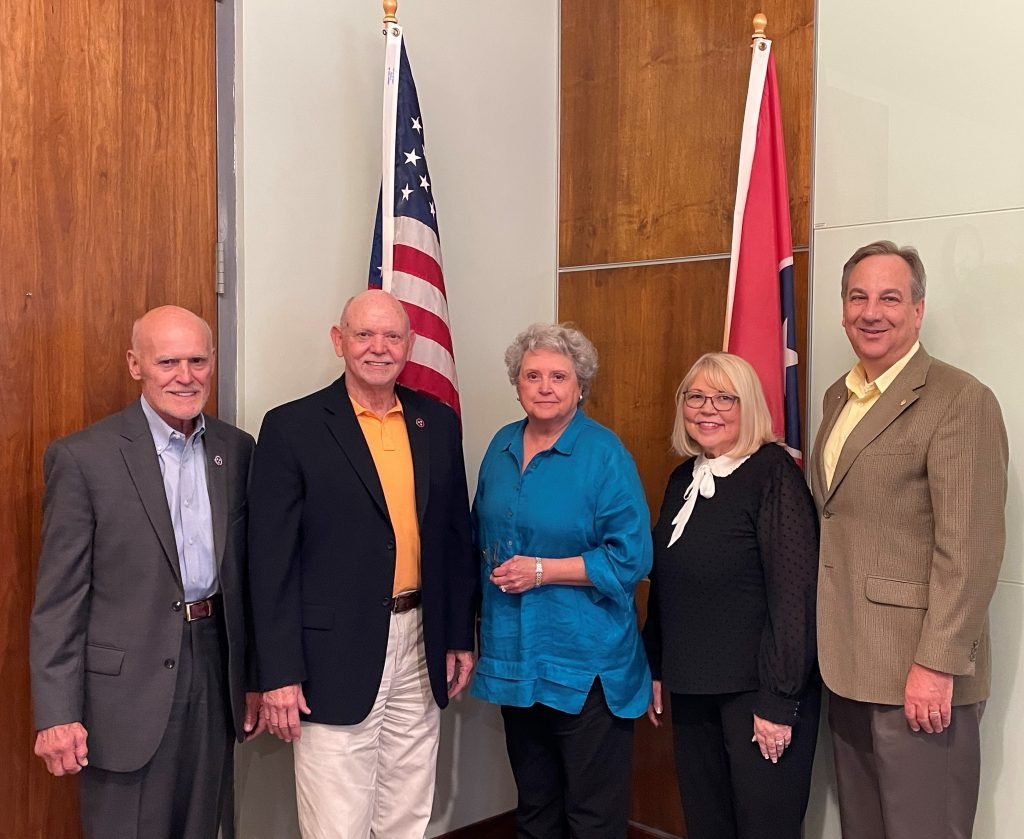
(Left to Right) William “Bear” Stephenson, Secretary, William T. Gallaher, Marion Stanford, D. Jane Miller, Chair and David Bradshaw.
This January meeting was revealing… not because of some big scandal, but because it showed the operating philosophy out loud:
the administrator runs the show, the chair covers the edges, and the commission mostly watches.
And I’m not going to traffic in hallway chatter. The transcript is enough.
(Full audio will be linked at the bottom.)
The chair opened public comment by inviting the administrator to “spin” it
Right before public comment, the chair says:
“Now our public comment period, and Mark, you might want to give us a little bit of that remark spin too.”
Then Mark immediately defines what the public can talk about:
“It must be germane to the agenda items.”
Here’s what that signals: the person who works for the commission is being asked to frame the public’s participation… and the chair is comfortable calling it “spin.”
That’s not how oversight is supposed to sound.
A voter asked basic transparency questions. The administrator treated it like an irritation.
A member of the public raises practical concerns:
the county election website is confusing
deadlines are unclear
required notices and “housekeeping” items aren’t showing up as commission votes
the commission should be approving polling places / early voting details instead of letting it float under “administrator’s report”
And then they say the line that should be the thesis of the whole year:
“Having a knowledgeable administrator isn’t enough because the commission has the responsibility to make motions and approve these items.”
The administrator’s response is immediate defensiveness:
“That is not accurate. That is not true.”
And then, when pressed on whether procedure changes are clearly posted online, Mark says:
“I don’t think it has to be on our website.”
Read that again. This is elections administration. Deadlines. Petition rules. Voter confidence. And the posture is: we don’t have to put it where the public can clearly find it.
That’s not “efficient.” That’s contempt for the public’s right to understand how their elections work.
“We’re only required to meet quarterly.” Minimum compliance ain’t a brag.
When the public raises that the commission hasn’t met in months (in an election season) the administrator answers:
“We are only required to meet quarterly, and that is the state law, and we fulfill the state law…”
That sentence tells you how this whole system is wired. Because if the commission meets the minimum, then the administrator becomes the default decision-maker for everything that happens between meetings.
And if voters can’t reach commissioners directly? If everything routes through the office?… That’s insulation of a governmental body.
A commissioner said the quiet part out loud: the line between the commission and the office is blurred.
This is the most important moment of the meeting, and it doesn’t come from the public.
Commissioner Marion Stanford reports back from a statewide conference of election commissioners and says:
“Our problem… is the blurring of distinction between the commission and the administrator’s office.”
Then she gets even more direct:
“Administrator Stevens is presented as the public face and the touch point… The commissioners remain relatively unreachable…”
And then:
“Any voter has the right to reach a commissioner… And the office is acting as a filter.”
That is a flashing red light. A commission that the public can’t access (because the administrator’s office acts as gatekeeper) is a commission that can’t meaningfully supervise the administrator.
The commission is treated like an audience… because the administrator “disseminates” what they need to know
Here’s the quote that should be taped to the wall:
“In the past… we’ve made a report to you all… and that’s what we normally do instead of you all going and attending… it seems like it’s worked best… when we give you the information and disseminate that information.”
That’s not a throwaway line about a conference.
That’s is the administrator’s governing model:
staff goes
staff decides what matters
staff briefs the commission
commission nods
The commission is supposed to be the body that directs, questions, and votes… not a group that gets spoon-fed what staff thinks it should hear.
Six Figures, Zero Patience for the Public?
Let’s be absolutely clear about this: this isn’t volunteer work and it isn’t a favor. This office runs on taxpayer dollars, and taxpayers are not paying six figures so the public gets brushed off for asking basic questions about how elections are being run.
In the county’s FY 2025–2026 budget, the Election Commission “County Official” salary line is $103,259.
That’s a six-figure job with real authority over the machinery of democracy. The public has every right to ask questions, and to expect answers that aren’t dismissive.
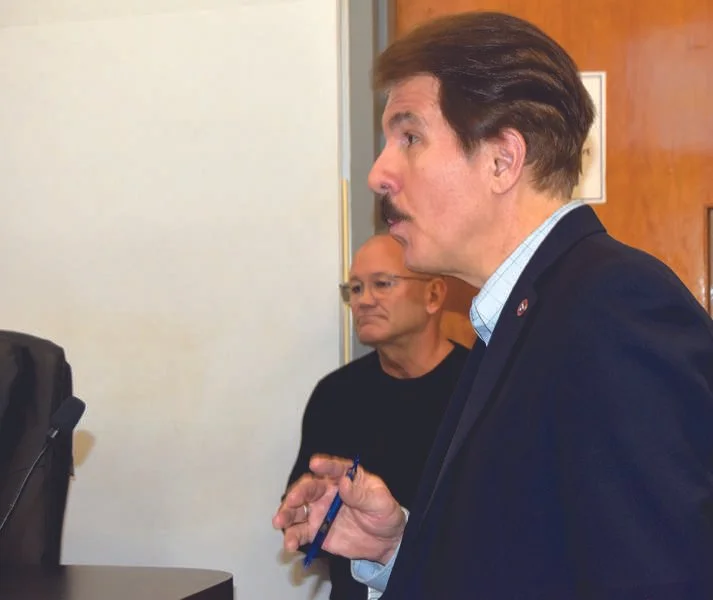
So when you see a meeting where the commission functions like background scenery and the administrator reacts to public scrutiny with “not true” and “doesn’t have to be on our website,” you should understand why people are worried.
What we’re asking for next is simple… and (should be) normal
If this commission wants public confidence, it should start acting like a governing body:
Put election deadlines and procedure changes in plain language online… where the public can actually find them.
Put real action items on the agenda (polling places, early voting sites, required approvals), and vote on them publicly.
Make commissioners reachable directly, without the office acting as the gatekeeper.
Meet every single month during an election season… not because they have to, but because voters deserve real oversight.
Because again: five people run elections here. If they aren’t operating like they should, that’s not “politics.” That’s a public trust problem.
This is the complete recording of the January Anderson County Election Commission meeting.
If anything in this post stands out, you can hear the full context — in their own words.
Show up. This is a public trust.
The Anderson County Election Commission is a five-person board that oversees how our elections are run — from polling places and early voting logistics to procedures that shape access and confidence. That power belongs in the sunlight.
Join us at the next Election Commission meeting. Bring a neighbor. Listen, take notes, and use the public comment period when it’s relevant. When the public is in the room, officials behave differently — and that’s the point.